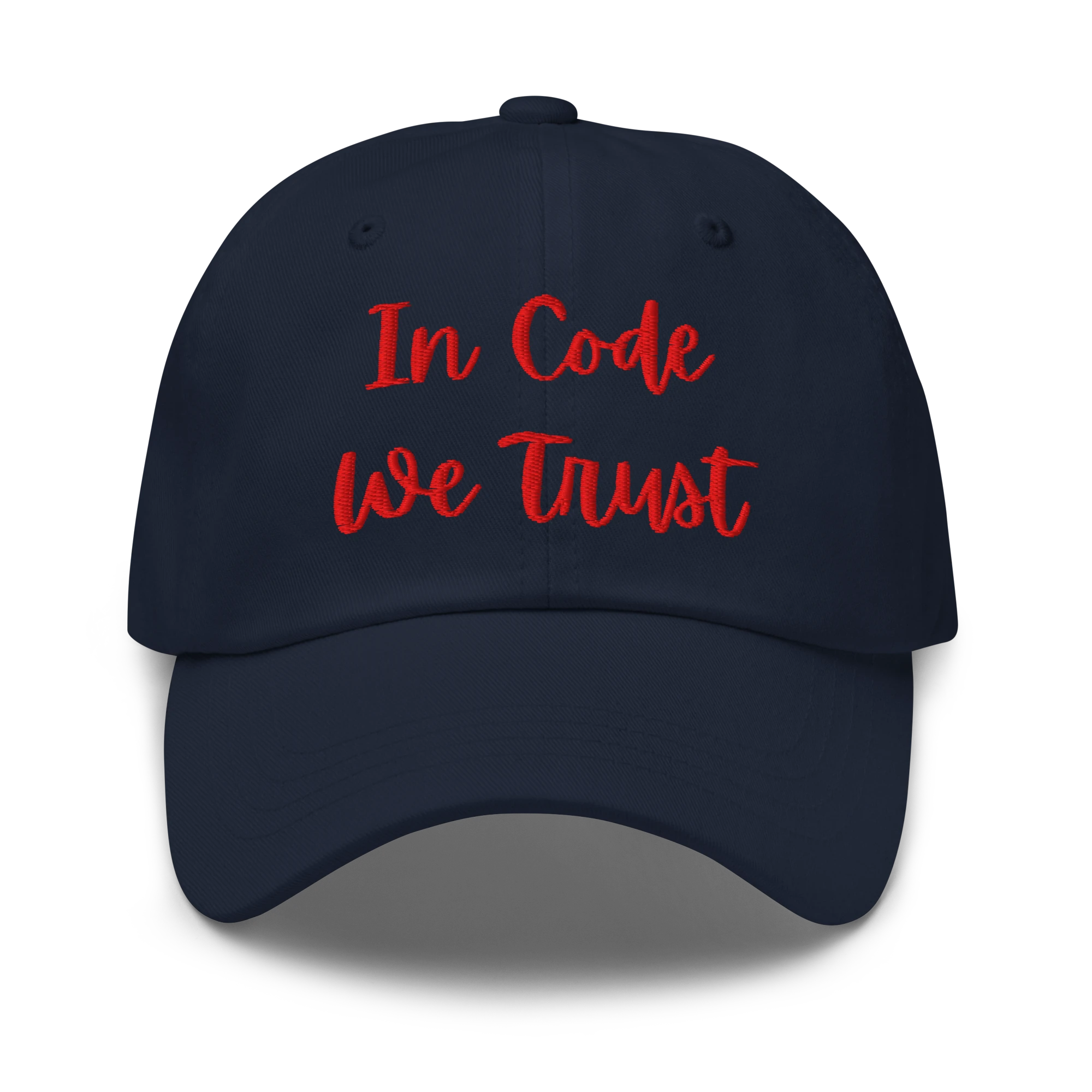
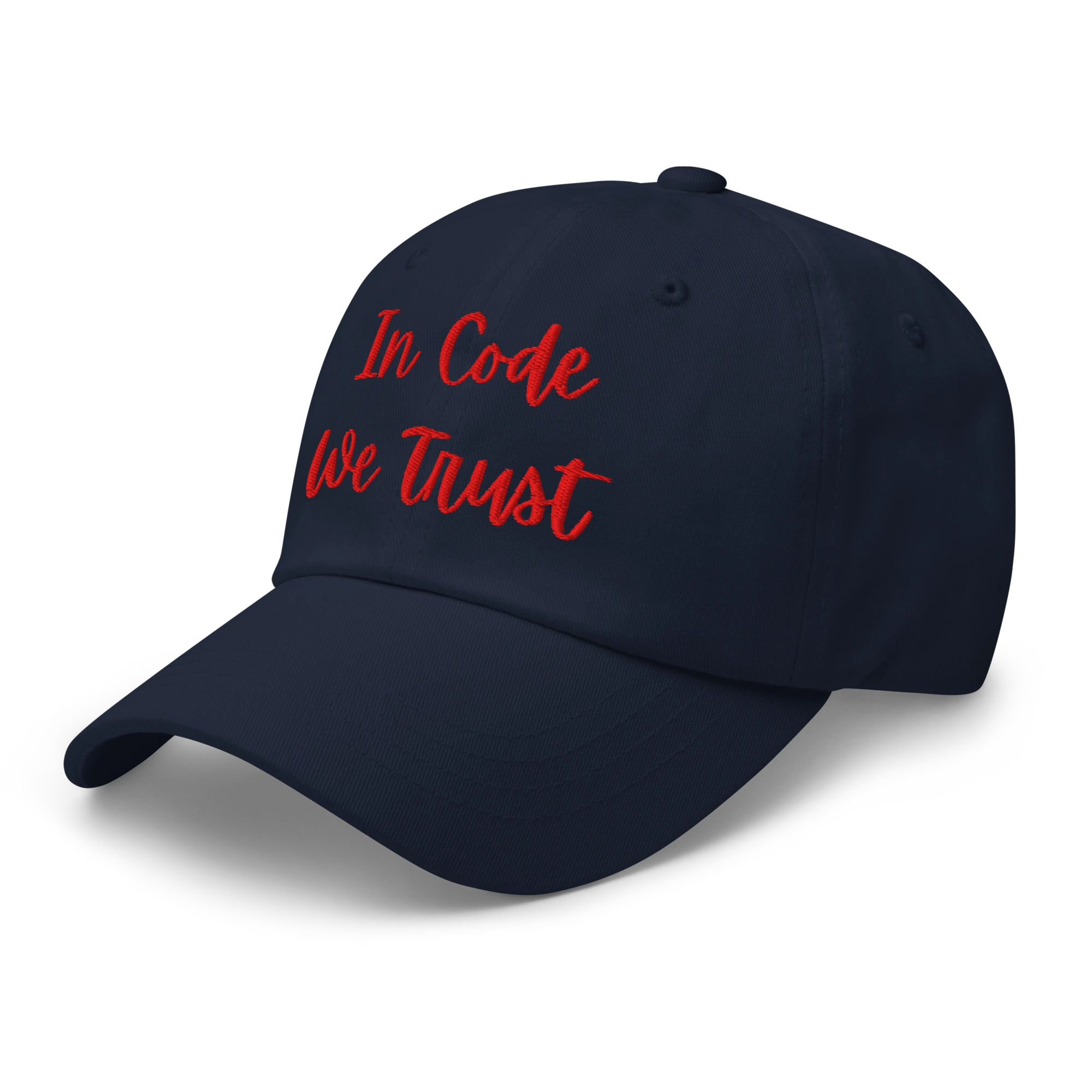

What code gives us
Software turns intent into executable rules. The same input can be processed the same way millions of times. Tests can be automated. Version history can be inspected. Open-source code can be reviewed by strangers. Protocols can coordinate machines that have never met. That repeatability is a genuine form of trust-building.
What code does not give us
Code is not neutral simply because it compiles. Someone chose the requirements, the architecture, the defaults, the data, the threat model, and the tradeoffs. A perfectly implemented bad rule is still a bad rule. A system can be deterministic and still be insecure. Experienced programmers therefore hear the phrase with a healthy second layer: trust the code, but read the code.
Why the phrase travels well
The idea fits software engineering, open source, cybersecurity, cryptography, distributed systems, automation, and gaming. In each case, behavior emerges from rules expressed precisely enough for a machine to execute them. That makes code both a tool and a form of institutional memory.
Why wear it?
Because it is part motto, part challenge, and part inside joke. To non-programmers it sounds like faith in technology. To programmers it sounds more like a pull request waiting for review.
Wear what you know.
You are not wearing a random graphic. You are wearing something you know, understand, believe, study, build, play, or find worth thinking about. That is the idea behind every NerdWear Expression.